What to Wear Now

Your seasonal style cheat sheet

Transitional Dressing: How to Nail the In-Between Seasons

2026-07-11

Chilly mornings, warm afternoons, and a closet caught between two seasons — the in-between weeks are a real styling puzzle, not just an excuse to complain about the weather. Transitional dressing is simply the art of navigating that awkward middle stretch gracefully, without checking the forecast every twenty minutes. Here’s how to nail those tricky between-season days with a handful of repeatable strategies.

Quick Answer: Nail transitional dressing by building outfits from adaptable layers you can add or remove as the temperature shifts, mixing pieces from both seasons instead of packing one away too early, and leaning on medium-weight fabrics and a cohesive neutral palette so everything coordinates. Layering strategy matters far more than any single “transitional” piece you buy.

Transitional Dressing: How to Nail the In-Between Seasons

What’s the golden rule for dressing through unpredictable weather?

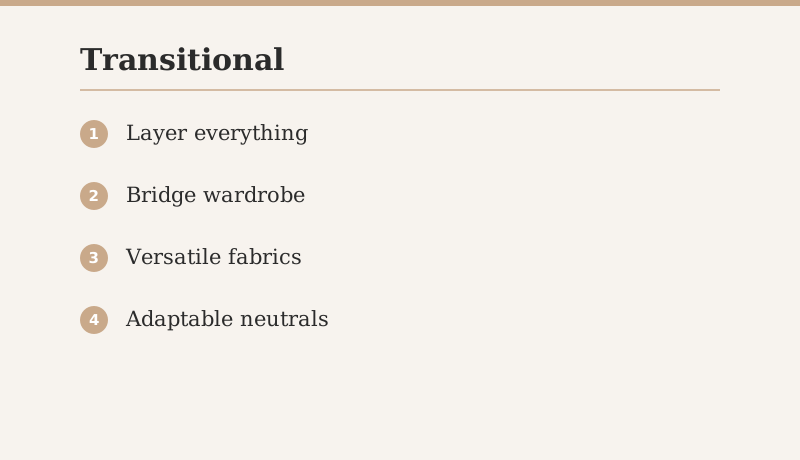
Layers you can add and remove as the day shifts are the entire foundation of transitional dressing. Adaptable layers matter more than any single piece in your closet. A light knit over a tee, a button-down under a jacket, or a scarf you can shed by noon all let you start the day warm and end it comfortable, without ever being stuck too hot or too cold.

The trick is building each layer to work on its own, not just as part of a set. If you can’t wear the knit by itself once the afternoon warms up, it’s not doing its job as a transitional piece.

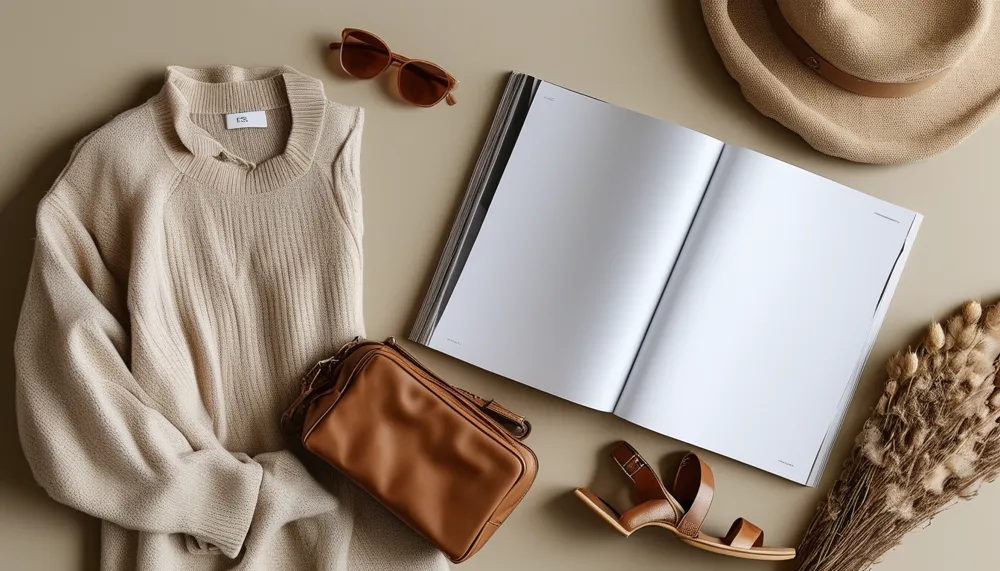
Styling flat lay

Should you pack away last season’s clothes before the weather actually changes?

Not yet — transitional weeks are exactly when mixing pieces from both seasons pays off. Blending your warm and cool weather pieces is what bridges the gap between wardrobes and, as a bonus, breathes new life into things you might otherwise forget about. A summer dress worn with boots and a light jacket, or a winter knit paired with lighter trousers, both work beautifully during these weeks precisely because they combine two “wrong season” pieces into one outfit that’s exactly right for the actual temperature outside.

Point detail

Think of your closet less as “summer clothes” and “winter clothes” and more as one pool of pieces you combine based on what the day actually needs.

Which fabrics and pieces work across a wide range of temperatures?

Medium-weight pieces are the real workhorses of transitional dressing, since they’re never too warm or too cool no matter what the thermometer says. These transitional heroes are the backbone of between-season dressing, and they’re worth prioritizing when you’re deciding what to buy or keep in rotation.

A short list of pieces worth owning for exactly this reason:

  • A cotton knit or midweight sweater that layers easily under a jacket
  • A light trench or unlined coat for days that hover in the 50s-60s°F
  • A denim jacket, which works over almost anything and in almost any weather
  • A versatile blazer that dresses up a tee or dresses down a dress

Does sticking to neutrals actually make transitional dressing easier?

Yes — a cohesive neutral palette makes transitional layering effortless because everything you own coordinates automatically as you add or remove pieces throughout the day. Adaptable neutrals let you layer freely without ever worrying about clashing. If your knit, jacket, and scarf all live in the same tonal family, you can swap any of them in or out mid-day and the outfit still works.
Style guide

5 Mistakes Everyone Makes During Transitional Weather

  • Packing away last season’s clothes too early, then scrambling when a cold morning or warm afternoon catches you off guard.
  • Wearing one heavy layer instead of two lighter ones, which leaves you stuck overheating with nothing to remove.
  • Buying a dedicated “transitional wardrobe” instead of just re-combining pieces you already own from both seasons.
  • Ignoring fabric weight and grabbing whatever’s clean, instead of reaching for genuinely medium-weight pieces.
  • Building outfits entirely around one bold seasonal color instead of a flexible neutral base that layers cleanly.

FAQ

What should I wear when mornings are cold but afternoons are warm?

Build your outfit in removable layers — a light knit or jacket over a short-sleeve top works well, since you can shed the outer layer once it warms up. Carrying rather than wearing your heaviest layer (in a bag or tied around you) keeps you comfortable all day without overheating.

What fabrics work best for transitional dressing?

Medium-weight fabrics like cotton knits, light denim, and unlined trench coats work best because they’re rarely too warm or too cold. Save your heaviest wools and thinnest summer linens for full-on winter or peak summer, and lean on the in-between fabrics during these weeks.

How do I avoid buying a whole new wardrobe just for a few transitional weeks?

Mix pieces you already own from both the warmer and cooler seasons rather than shopping for dedicated “transitional” clothing. A summer dress with boots and a jacket, or a winter sweater with lighter pants, both use what’s already in your closet.

TL;DR:

  • Build outfits from layers you can add or remove as the temperature shifts through the day.
  • Mix warm-weather and cool-weather pieces instead of packing one season away too early.
  • Prioritize medium-weight fabrics like cotton knits, denim jackets, and light trenches.
  • Stick to a cohesive neutral palette so any combination of layers coordinates automatically.
  • Avoid buying a whole new “transitional” wardrobe — recombine what you already own from both seasons.

Keep Reading

This article is for general styling and informational purposes only. Trends, sizing, availability and pricing may vary by brand and season.

← All articles